Selective advisory engagements.
Two practitioners, two tracks, one page. Inbound only, no cold outreach on either side. The engagements listed below are the ones the practice takes; anything outside the scope is a referral.
How the practice works
Advisory work is inbound. A prospective client reads this page, decides whether their situation fits, and reaches out through contact. A short exchange follows to establish fit, scope, and whether a call is worth booking. If the work is a fit, we move to a written engagement. If it is not, we say so, and where possible we point toward someone who can help.
Engagements are remote-first. Occasional travel is possible for the right work. Individual practitioners, project teams, and organizations preparing for audit, integration, or AI adoption are all in scope, at three different engagement patterns described further below.
Pricing is not published. It varies with engagement size, urgency, and whether the work is one-time or ongoing. A pricing conversation happens after fit is established, not before.
Don's track
Don takes engagements in three connected areas:
Program direction and systems integration
Standing up new programs. Repairing programs that have drifted. Integrating systems, procedures, and people so the record survives the next audit and the next handoff. The kind of work where a client already has capable operators and needs someone who has done this at scale to sequence what to fix first.
AI adoption inside compliance-sensitive workflows
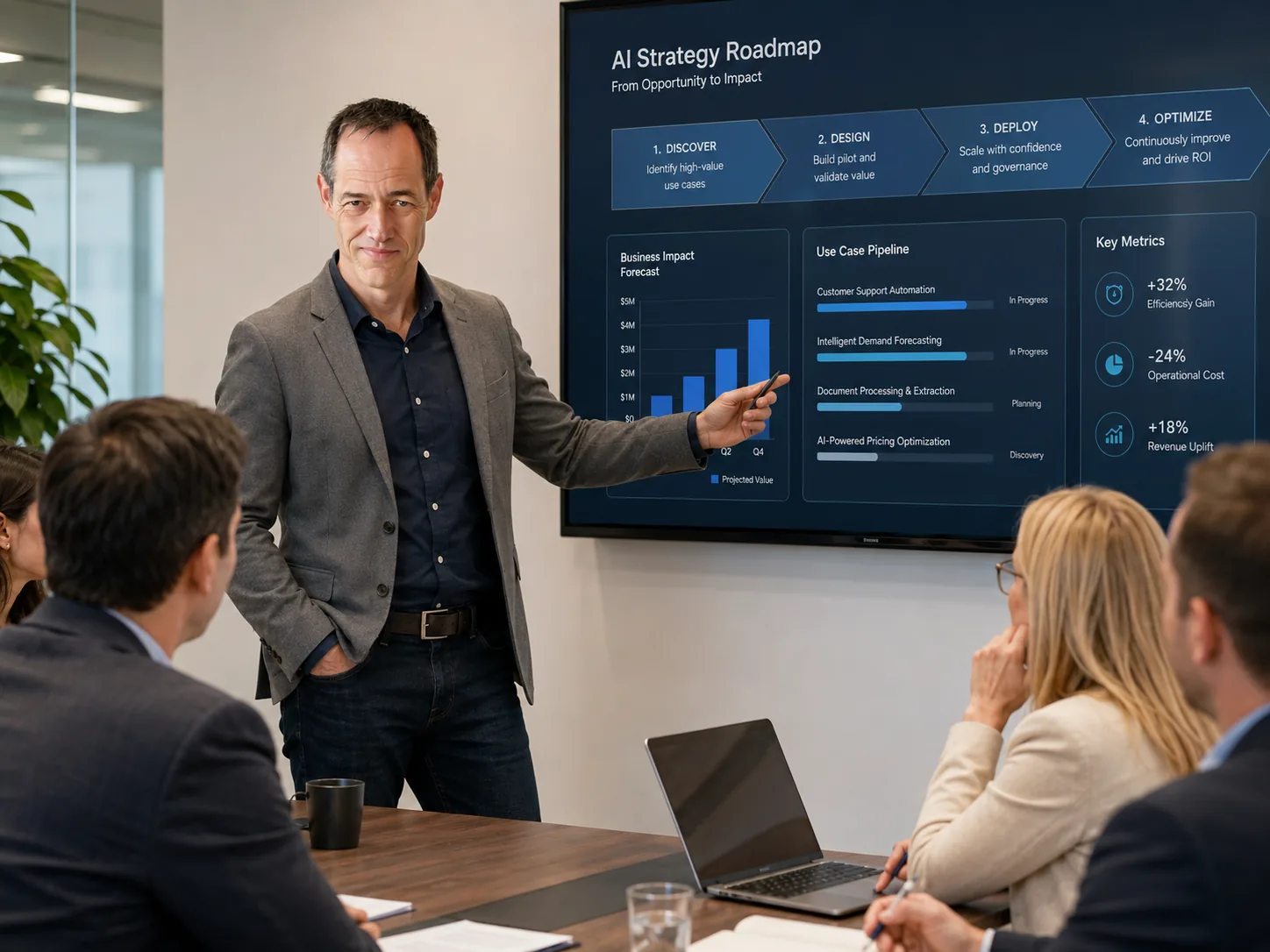
The practical question of where AI tools help and where they create new exposure. Model selection against actual accountability requirements. Policy drafting for AI use inside property, inventory, and asset functions. Pilot design that produces defensible evidence of value. This is the subject of the book and the largest share of the current advisory pipeline.
Property, inventory, and fixed-asset accountability
Government (FAR 52.245-1 and DFARS 252.242-7004 environments), corporate (fixed-asset accounting, physical inventory, and audit response), and nonprofit (grant-funded equipment tracking, board-level accountability). Program-level engagements, not line-level property management.
Larisa's track
Larisa takes engagements in three areas that overlap with Don's but hold their own weight:
DCMA PMSA readiness
Preparing contractor organizations for Property Management System Analyses. The reviews that decide whether a company's property system is approved to hold Government Property. Full-scope readiness engagements: policy and SOP review, master data audit, physical inventory design, exception-response documentation, and rehearsal for the examiner.
Master data integrity and physical inventory design
Organizations preparing for external audit, or organizations where the record has drifted from the physical reality and needs a disciplined reconciliation. Not a one-time cleanup engagement. A method for keeping records honest going forward.
Russian-English translation and interpretation
Native Russian speaker at ACTFL Superior. Selective work on documents, briefings, and interpretation engagements where the language quality matters more than the price point. Prior experience in defense and government contexts.
Who this practice works with
Three tiers, roughly:
Individual practitioners
Property managers, program managers, asset accountants, and operations leads who need a second set of eyes on a specific problem. Short engagements, high value, often a call and a written follow-up.
Project teams
A team preparing for an audit, planning an AI pilot, or working through a system migration. Multi-week engagements, usually with a defined deliverable at the end.
Organizations
A property function, a program office, or an operations group that needs an outside advisor for a defined period. Multi-month engagements, retainer or defined-scope, typically remote with occasional in-person work.
The practice is not a fractional executive service. It is not a training organization. It does not take open-ended discovery engagements or engagements without a defined problem statement.
Not accepted
Some engagements are declined regardless of fit:
- Work that would create a conflict with either practitioner's current or recent employment.
- Any engagement requiring representations of clearance, badge, or facility access we do not currently hold in the context requested.
- Litigation support, expert witness, or investigation work.
- Engagements that require named-vendor recommendations for products we have not independently evaluated.
- Discovery calls without a defined engagement question.
This list is honest, not defensive. Naming what is out of scope saves everyone time.
How to reach us
Email through the contact page. Include: a one-paragraph description of the situation, the outcome you are trying to reach, and any timing constraints. A short reply comes back within a few business days, usually with a proposed 30-minute call if the fit looks right.